Culture Heritage Text Effect: Ancient Style, Modern Editability
There’s a reason vintage museum posters and classic adventure game title screens hold such a powerful grip on our imagination. It isn’t just the imagery; it’s the typography. That specific weight, texture, and structure of the letters tell a story before you even read the words. They suggest history, durability, and significance. If you have ever tried to achieve this look by simply typing out a word in a standard font, you know the result often falls flat. It looks two-dimensional and lacks the authentic grit of a true heritage style. This is exactly where specialized design assets bridge the gap between a simple concept and a professional execution, allowing you to manipulate text in ways standard fonts simply cannot.
More Than Just a Typeface
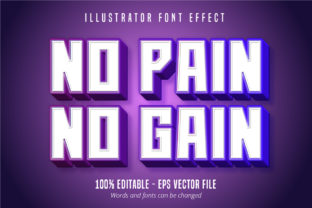
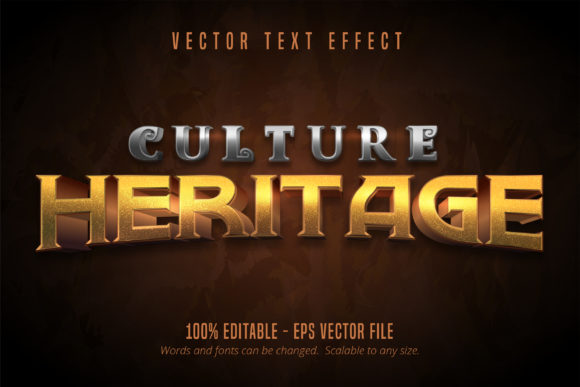
When we talk about typography in modern design, we are often looking for that "sweet spot" between nostalgia and clarity. The Culture Heritage Text Effect operates differently than a standard premium font. Instead of just installing a file and typing, you are working with a sophisticated Adobe Illustrator template (EPS CS6+). This distinction is vital for designers who need total control. Because it is a font effect rather than a static typeface, it treats your text as a piece of artwork. It applies depth, texture, and lighting to your letters, creating a 3D appearance that feels tangible.
The visual appeal here lies in the "game style" aesthetic. Think of the golden era of point-and-click adventure games or high-fantasy board games. The letters often look like they are carved from stone, forged in metal, or embossed onto heavy parchment. This style commands attention. It tells your audience that what they are looking at is important. Whether you are creating a header for a blog post about historical travel or designing a logo for a craft brewery, this texture adds an immediate layer of credibility and visual interest.
Practical Applications for the Modern Creative
The versatility of a text effect like this is where it truly shines. Because it is 100% editable and scalable to any size, it fits seamlessly into a variety of workflows. You aren't restricted to a specific resolution, which means the same asset used for a small web icon can be blown up for a massive trade show banner without losing quality.
Brand Identity and Logo Design
For small business owners, a logo is the face of the company. If your brand sells artisanal goods, outdoor gear, or operates in the tourism sector, a heritage style can anchor your identity. Using the Culture Heritage Text Effect allows you to create a logo that feels established and trustworthy. It moves your brand away from looking "generic" and gives it a distinct personality. It works exceptionally well for coffee roasters, whiskey distilleries, or boutique clothing lines that want to evoke a sense of tradition.
Packaging and Merchandise
Packaging design relies heavily on shelf appeal. A product label needs to communicate quality in a split second. Applying this effect to product names creates a tactile look that suggests craftsmanship. Imagine a hot sauce label or a tea tin where the name looks like it was stamped by hand. It elevates the perceived value of the product. Furthermore, for merchandise like t-shirts, tote bags, or mugs, this style is perfect. It avoids the "stuck-on" look of standard digital printing and instead mimics a vintage screen print.
Digital Content and Social Media
In the fast-paced world of social media, stopping the scroll is the primary goal. Standard sans-serif fonts often blend into the background. However, a textured, 3D text effect pops off the screen. It is excellent for YouTube thumbnails, Instagram announcement headers, or podcast cover art. The "game style" element also makes it a favorite for streamers and content creators in the gaming niche who want professional overlays without hiring a 3D artist.
Designing with Purpose and Readability
While the aesthetic is striking, practical application requires a bit of strategy. As a designer or content creator, you need to ensure that your typography serves your communication goals. Here is how to get the most out of this asset:
- Contrast is King: Because the Culture Heritage Text Effect has high visual complexity (textures, shadows, highlights), it works best when paired with a clean background. If the background is too busy, the text becomes difficult to read. A solid color or a subtle gradient usually provides the best canvas.
- Pairing with Simplicity: When using a display font or a heavy text effect for your headers, your body copy should be the opposite. Pair this heritage style with a clean, modern sans-serif or a simple serif font for the paragraph text. This contrast ensures that the design feels balanced and that the main message remains readable.
- Context Matters: Consider your audience. If you are designing for a tech startup, this style might feel out of place. However, if you are working on a menu for a rustic restaurant, an invitation for a vintage-themed wedding, or marketing materials for a history museum, it is the perfect fit.
The Advantage of Editable Assets
One of the biggest frustrations in design is finding a visual style you love, only to realize you cannot change the text or the colors. The Culture Heritage Text Effect solves this by offering full editability within Adobe Illustrator. You are not locked into a specific phrase. You can type anything you want.
This flexibility is crucial for maintaining visual consistency across a campaign. You might use the effect to create the main logo, then use it again for the "Sale" banner on the website, and again for the header of the monthly newsletter. Because the style remains consistent while the text changes, you build a cohesive visual language that aids in brand recognition.
Additionally, the ability to change colors means you can adapt the effect to fit specific brand palettes. Perhaps the default gold and stone look works for one project, but for another, you need a cool silver and slate combination. Being able to tweak these elements ensures the asset works for you, rather than you having to work around the asset.
Real-World Value for Your Projects
Ultimately, design is about communication. The tools you use should help you communicate faster and more effectively. The Culture Heritage Text Effect is a tool that saves time. Instead of spending hours trying to manually create bevels, textures, and lighting effects from scratch, you start with a polished foundation.
For the hobbyist crafter making signs for a local fair, or the freelance designer juggling multiple clients, this efficiency is a game-changer. It allows you to produce high-quality, professional-looking typography that stands up to commercial standards. Whether you are working on a print-ready poster or a web-ready graphic, the scalability ensures your work looks sharp on any device or paper size.
In a market saturated with flat, minimalist design, there is a growing appreciation for textures and depth that evoke a sense of history. By incorporating this style into your toolkit, you are equipping yourself to create designs that don't just look good, but feel substantial.