Modern Text Effects for Illustrator: Instant Visual Impact
You've spent hours on a design, perfecting the layout, choosing the right colors, and sourcing the perfect image. But when it comes to the headline or logo text, it just sits there—flat, uninspired, and failing to grab the attention it deserves. This is the moment where a project can go from good to truly memorable, and the secret often lies not in the words themselves, but in how they're presented. A dynamic text effect can inject energy, depth, and personality into any typographic element, transforming it from simple information into a compelling visual statement.
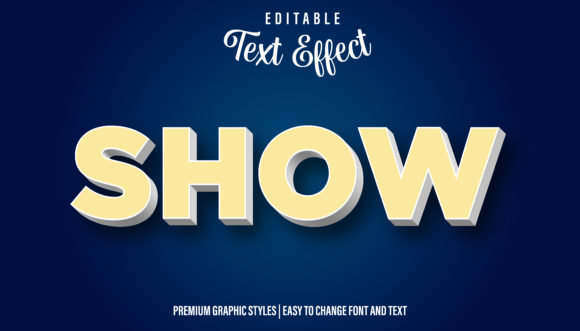
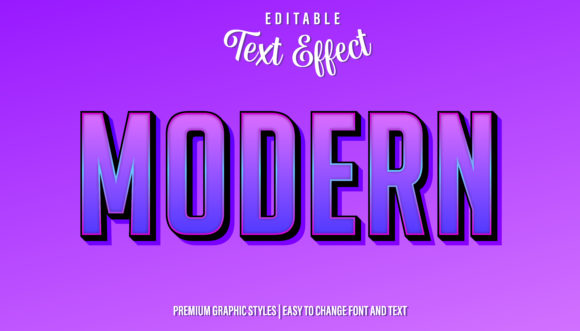
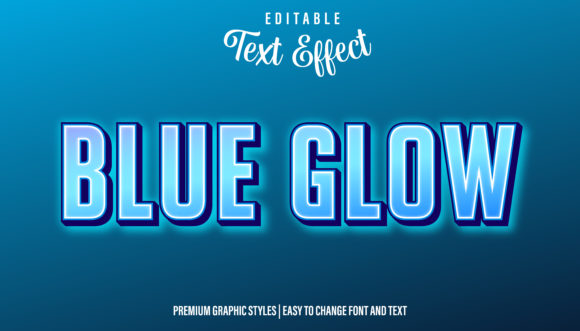
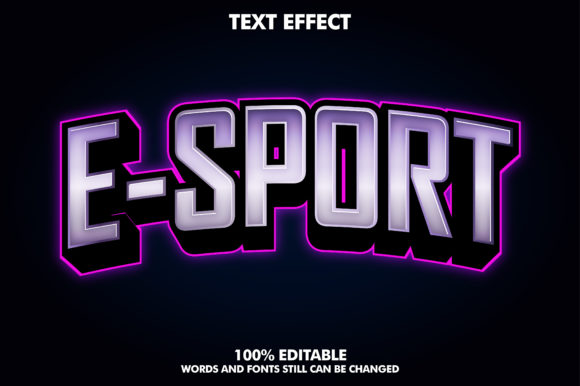
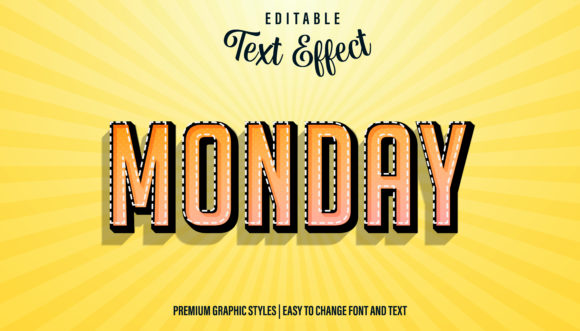
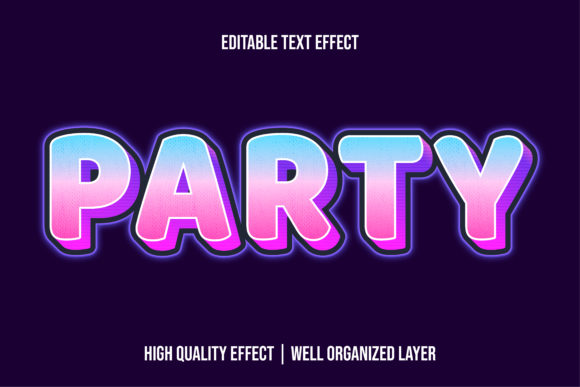
This is precisely where a resource like the Modern Text Effect Style for Illustrator becomes an indispensable part of a designer's toolkit. It's not just a single effect, but a collection of five distinct, editable graphic styles designed for Adobe Illustrator. Think of them as pre-built treatments—like metallic sheens, glossy plastics, rugged textures, or clean dimensional shadows—that you can apply to any text, logo, or shape with a simple drag-and-drop. The real power lies in its editability; once applied, you can instantly change the wording, swap the font, adjust colors, and tweak the effect to fit your specific vision. It’s about getting a professional, high-impact result without the steep learning curve of manually constructing complex appearance panel stacks.
From Flat to Fantastic: Practical Applications Across Projects
The true value of a versatile text effect is measured by how many places you can use it. A well-crafted style like this isn't confined to one type of project. Consider a small business owner creating their first branding package. Applying a consistent, stylish effect to the company name across the business card, letterhead, and website header immediately establishes a polished and cohesive brand identity. It signals professionalism and attention to detail before a client even reads a word.
For content creators and marketers, the applications are equally broad. Imagine crafting a YouTube thumbnail or a social media graphic where the title needs to pop against a busy background. A bold, modern text effect can create that necessary contrast and focal point, driving higher engagement and click-through rates. It’s a game-changer for designing:
- Eye-catching game titles and logos that need to convey excitement and style.
- Dynamic headlines for posters and event flyers that demand attention from a distance.
- Unique merchandise designs for t-shirts, mugs, and hats, where the typography itself is the art.
- Professional-looking packaging that stands out on a shelf or in an online store.
- Invitations and greeting cards with a personal, crafted touch.
- Digital products like e-book covers or course graphics that need to look authoritative and appealing.
The drag-and-drop functionality into Illustrator’s Appearance panel means you can experiment rapidly. Try a chrome effect on one headline and a subtle emboss on another within minutes, allowing your creative process to remain fluid and exploratory rather than getting bogged down in technical execution.
Enhancing Your Design Workflow and Brand Consistency
One of the biggest challenges in design, especially for freelancers or small teams, is maintaining visual consistency across all touchpoints. A scattered approach to typography and effects can make a brand feel disjointed. By integrating a set of coordinated graphic styles into your workflow, you create a reusable visual language. The five editable effects within the Modern Editable Text Effect Graphic Style for Illustrator provide a curated palette of options that can be mixed and matched while still feeling part of the same family.
This consistency directly fuels brand recognition. When your audience sees the same distinctive text treatment on your Instagram stories, your website banners, and your email newsletters, they begin to associate that visual cue with your brand. It becomes a subtle yet powerful mnemonic device. Furthermore, these styles are designed with readability in mind. A good effect enhances the text, not obscures it. The included styles likely offer a range from bold and high-contrast to more subtle and elegant, ensuring you can match the effect’s personality to your project’s goals—whether that’s playful energy, sleek modernity, or rustic charm.
Smart Selection: Choosing and Pairing Your Typography
Having a powerful tool is one thing; using it wisely is another. The first step is always selecting the right base typeface. A heavy, blocky sans-serif font will interact completely differently with a text effect than a delicate script or a classic serif. For logos and headlines where the effect is the star, a simpler, bolder font often works best, as it provides a clean canvas for the style to shine. For more nuanced applications, like adding a slight sheen to body text or a subtle texture to a label, you might opt for a medium-weight font that complements rather than competes.
Don’t be afraid to test pairings. Apply the same graphic style to two different fonts and see which one communicates the right mood. Does a futuristic chrome effect look better on a geometric sans-serif or a condensed display font? Does a gritty texture style feel more authentic on a vintage-inspired typeface? This experimentation is key. Also, consider the context of use. A style that looks stunning as a large website hero headline might become illegible when scaled down for a business card footnote. Always view your design at the intended output size.
Finally, while this collection provides tremendous creative freedom, it’s always prudent to understand the licensing. For any commercial project—whether it’s a client logo, a product for sale, or marketing materials—ensure you have the appropriate rights for both the graphic style and the typeface you pair it with. This due diligence protects you and your clients and is a hallmark of professional practice.
In the end, modern design is about communication that resonates visually. Tools that streamline the creation of professional, engaging typography aren’t about shortcuts; they’re about focusing your energy on the bigger picture of storytelling and connection. By leveraging adaptable assets, you can elevate your work, strengthen your brand’s visual voice, and create designs that truly capture the imagination.