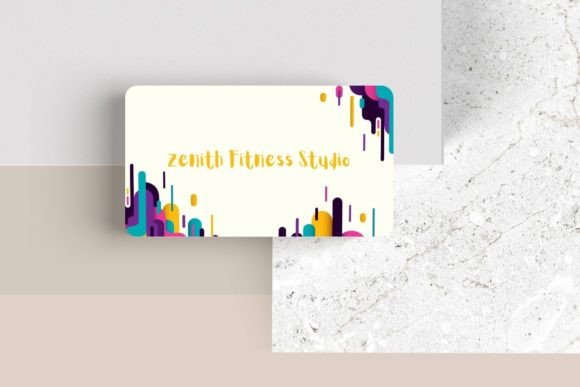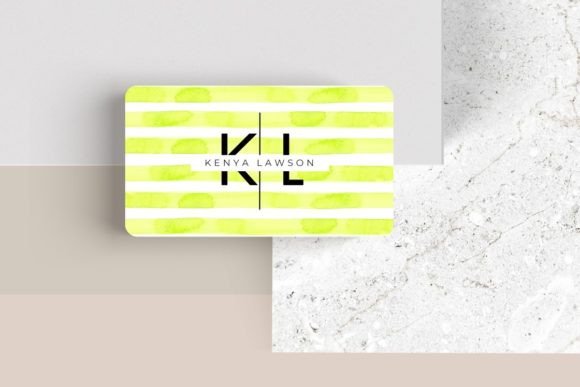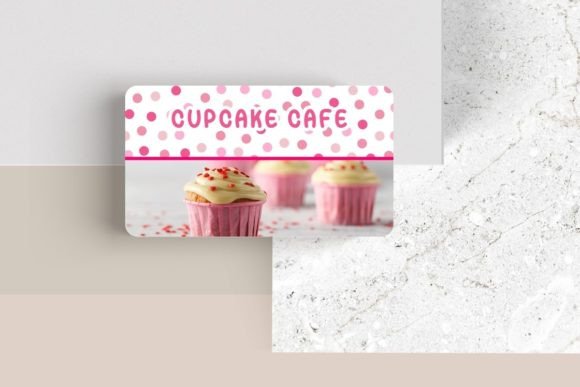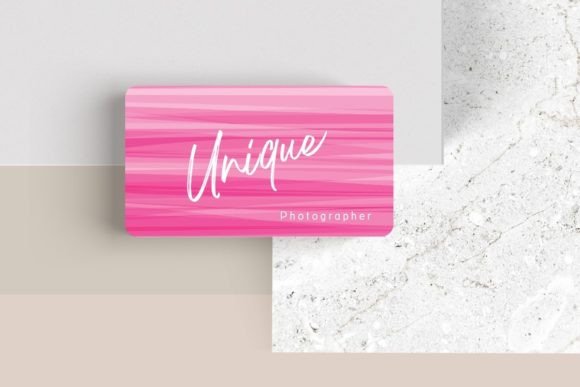
Editable Canva Business Card #68: Your Networking Game-Changer
First impressions are made in seconds. In a networking event, a client meeting, or even a chance encounter, the business card you hand over is a physical extension of your brand’s story. It’s not just contact information on paper; it’s a tactile piece of your professional identity. A generic, template-driven card can easily get lost in a stack, while a thoughtfully designed one sparks curiosity and conveys credibility. This is where having the right tools becomes essential, and an editable template like Canva Business Card #68 offers a powerful starting point for creating that memorable connection.
Beyond the Template: Crafting a Visual Identity
What makes a business card design truly effective? It’s the harmonious blend of aesthetics and function. A sleek, modern layout provides the structure, but the magic happens in the customization. The ability to adjust every detail—from the weight of a sans serif font to the placement of a subtle graphic element—allows you to build a card that doesn’t just carry your name but actively communicates your brand’s personality. Think of this template as a sophisticated canvas. Its clean lines and balanced whitespace are designed to make your customized elements pop, ensuring your information is both beautiful and immediately readable.
The practical applications extend far beyond a simple networking tool. This editable foundation is a versatile design asset for your entire brand ecosystem. Consider how the visual language you establish on your business card can inform other critical touchpoints:
- Brand Collateral: Use the same typography and color palette from your card on letterheads, invoices, and thank-you notes to build visual consistency.
- Digital Presence: The font pairings and layout principles work seamlessly for social media graphics, website headers, and email signatures, creating a cohesive online identity.
- Packaging & Merchandise: If you sell physical products, the design elements can be adapted for labels, stickers, or hang tags, reinforcing brand recognition at every unboxing.
- Marketing Materials: From event posters to digital ads, maintaining the same visual style ensures your marketing assets feel unified and professional.
By starting with a strong, editable template, you’re not just making a business card; you’re developing a design system that can scale with your business.
Practical Design Choices for Maximum Impact
With the flexibility to change fonts, colors, and layouts, the power is in your hands. But with great power comes the need for thoughtful decision-making. Here’s how to leverage the customization options in Editable Canva Business Card #68 to create a card that works hard for you.
Typography That Talks
Font selection is arguably the most critical choice. The template likely pairs a clean, modern sans serif font for your name with a complementary style for details. This is a classic approach for a reason: it offers excellent readability and a contemporary feel. However, don’t be afraid to explore. Swapping in a premium font with more character—a subtle serif font for elegance or a refined script font for a creative touch—can drastically alter the card’s tone. The key is to ensure your chosen typeface aligns with your industry. A law firm might opt for a trustworthy serif, while a graphic designer could use a bold display font to showcase creativity.
Always test your font choices for legibility at the actual print size of 3.5″ x 2″. What looks great on a large screen can become a blurry mess when printed. Pay close attention to font color and size; high contrast between text and background is non-negotiable for clarity.
Strategic Layout and Element Placement
The ability to move elements around is your secret weapon. Use the template’s grid as a guide, but feel free to adjust spacing to create better visual flow. Place your name and title in a dominant position, and ensure your contact details are logically grouped. The instruction to add your logo is crucial—treat it as the anchor of your design. Position it where it will be seen first, often the top left or center.
Consider adding subtle additional elements like photos or logos that tell a deeper story. A faint texture in the background, a thin geometric border, or a small icon next to your website URL can add depth without clutter. Every element should earn its place by enhancing, not hindering, the card’s primary function: clear communication.
Making It Uniquely Yours
The true value of an editable business card template lies in its transformation potential. It removes the technical barriers of design software, allowing you to focus on strategy and creativity. Whether you’re a freelancer needing to project reliability, an entrepreneur launching a new brand, or a content creator building a personal platform, this tool provides the professional polish you need.
Before finalizing your design, gather feedback. Show the card to friends or colleagues in your target audience. Does the first impression match your brand’s voice? Is the information hierarchy clear? Is it memorable? A business card is a small investment with a potentially high return. By taking the time to thoughtfully customize a template like #68, you move from handing out a piece of paper to sharing a piece of your brand’s promise—a promise of quality, professionalism, and attention to detail that speaks volumes long after the initial handshake.